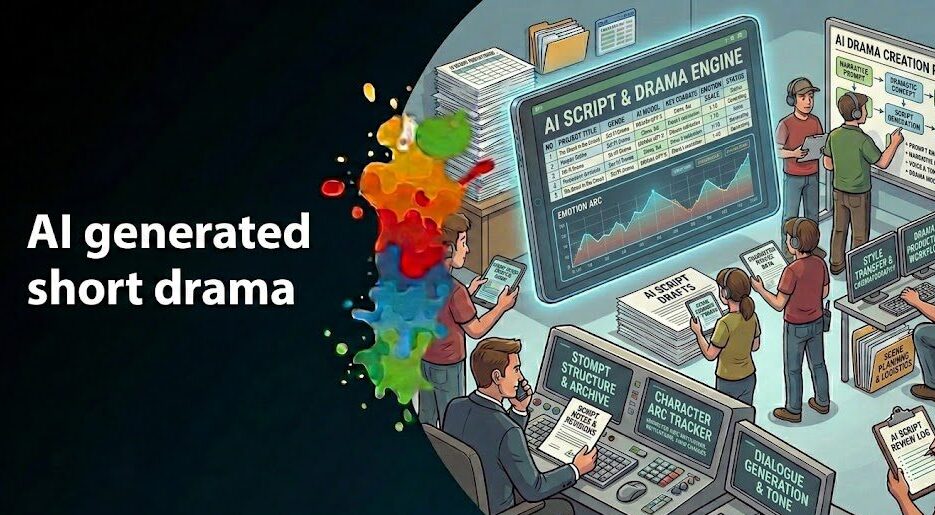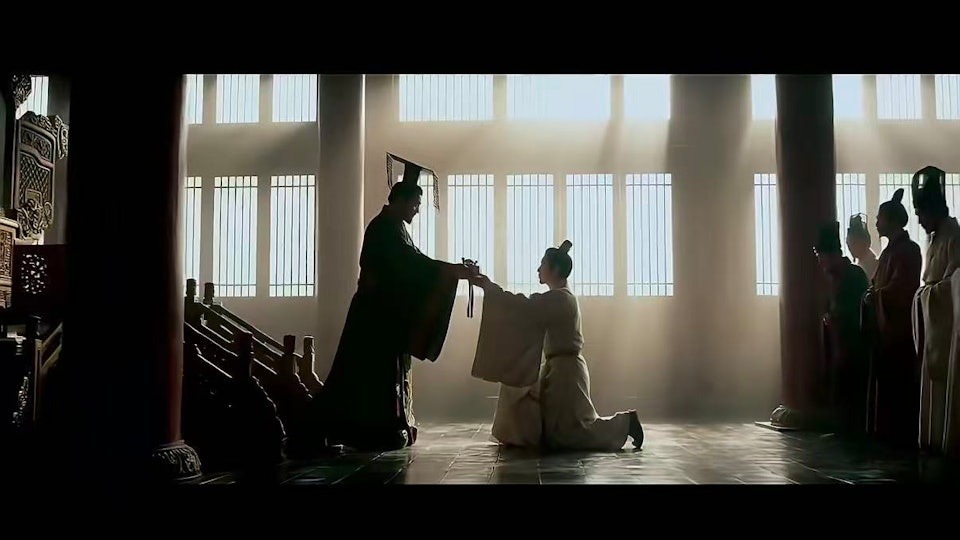
A new AI-generated short drama titled Huo Qubing has recently taken the world by storm. Crafted by a three-person team with a mere $435 budget and completed in just 48 hours, the 80-episode series has smashed through 500 million global views. It has not only dominated domestic short-video platforms but also gained massive traction on international platforms like YouTube. This remarkable feat of "ultra-low cost, sky-high traffic" is a testament to how generative AI is revolutionizing the film and television industry, and it stands as a shining example of China's cultural content going global in a lightweight, accessible format.

The evolution of generative AI technology has dramatically lowered the barriers to film and television production. Yang Hanhan, the core creator of Huo Qubing, has no professional background in the film industry, yet she masterfully harnessed the strengths of AI creation. Leading two collaborators who split responsibilities for screenwriting, AI production and music matching, the team created the entire drama without any real actors or on-location shooting—relying solely on AI tools for every stage of the process. "As the director of this series, the computing power cost was just a little over **$290**, well under $435," Yang said, underscoring AI's enormous potential to cut costs and boost efficiency.
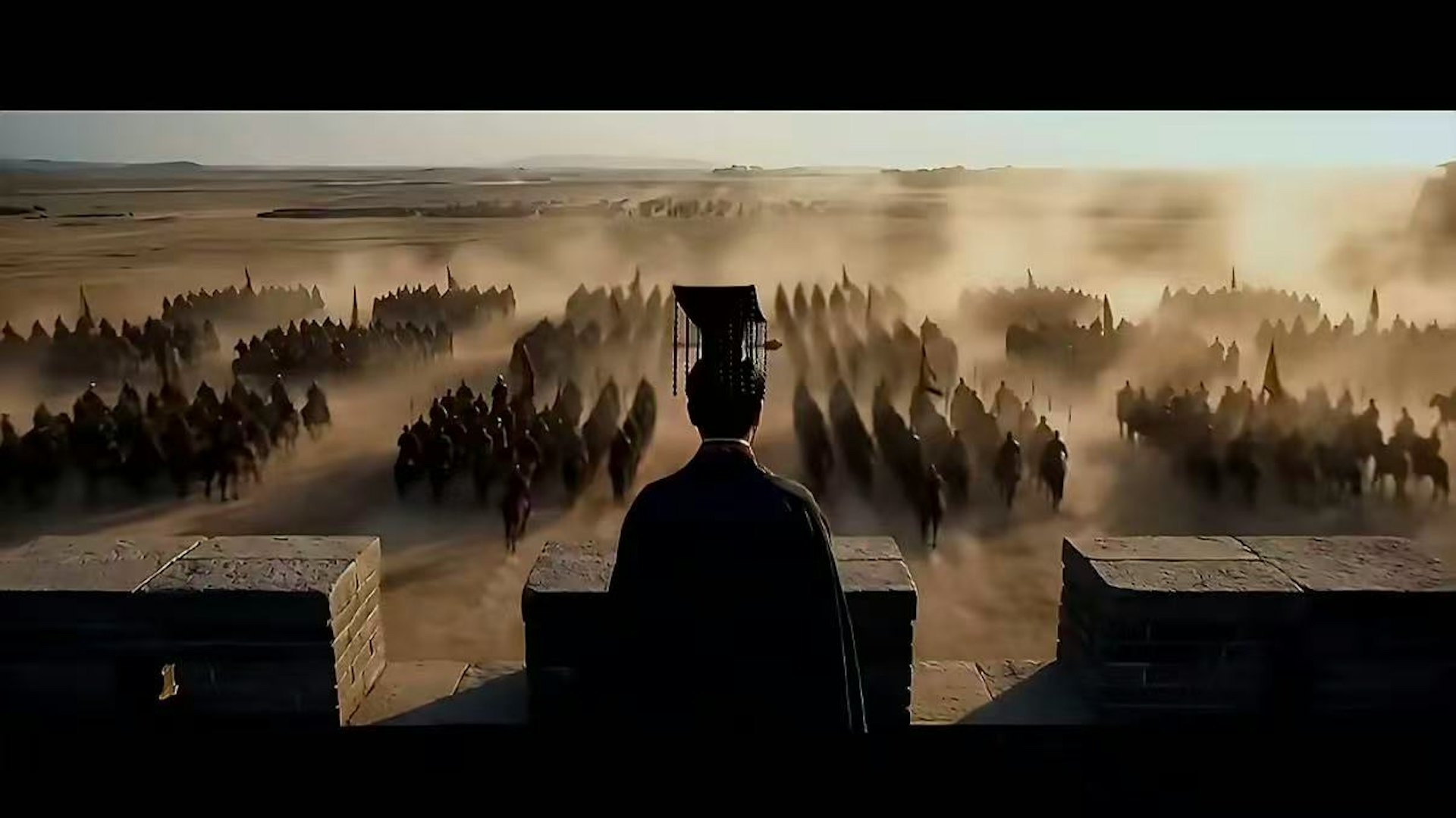
The most stunning aspect of this short drama for the industry is its unprecedented cost efficiency. In traditional film production, visual effects alone cost as much as $435 per second, and an 80-episode live-action short drama would typically command a budget of millions of yuan. In stark contrast, Huo Qubing leveraged AI generation technology to slash VFX costs to a mere $0.44 per second—a staggering 99.9% reduction—with each episode costing less than $5.80 to produce. This has completely shattered the industry's long-held belief that "only high budgets yield high-quality content". AI tools handled every step, from script optimization and character modeling to scene rendering, dubbing and editing, eliminating massive expenses such as actor salaries and location rentals, and turning the once-unimaginable "filming a drama for a hundred US dollars" into a reality.

The drama's dual success in viewership and acclaim proves the perfect synergy between cutting-edge technology and compelling content. Centered on Huo Qubing's legendary feat of "Feng Lang Ju Xu"—a historic military triumph where the Han Dynasty general defeated the Xiongnu and held a sacrificial ceremony on Langju Xu Mountain to proclaim victory—the series conveys traditional Chinese values of patriotism and loyalty to the nation. Paired with the epic battle scenes crafted by AI, it not only plays to AI's strength in creating grand visual spectacles but also strikes a deep emotional chord with audiences. Its reach spans more than 190 countries and regions; a single dedicated YouTube video about the drama has racked up 406,000 views, and major overseas media outlets such as South Korea's MBC have even expressed interest in acquiring its copyrights. International netizens have praised it as "on par with Hollywood's epic blockbusters".
Industry insiders note that the success of Huo Qubing is no accident, but a pivotal milestone in the industrial development of China's AI-driven film and television sector. It not only demonstrates AI's ability to drastically boost creative efficiency and lower entry barriers but also highlights its unique value in cultural communication—powered by the ability to generate content in over 20 languages with one click, it quickly adapts to global markets, breaking the bottlenecks of long production cycles and high costs that have long plagued traditional cultural exports. At the same time, a rational perspective is needed: AI still has room for improvement in portraying delicate emotions and layered character performances, and high-quality content with a strong cultural core remains the ultimate competitive edge.
This creative miracle is reshaping the production landscape of the film and television industry, shifting it from a model of "heavy assets and long production cycles" to one of "lightweight operation and high efficiency"—and opening the door for ordinary creators to enter the field. Looking ahead, as AI technology continues to evolve, human-AI collaboration is expected to become the mainstream model for film and television creation. By leveraging technological strengths while staying true to the essence of good storytelling, more high-quality Chinese content will reach global audiences, achieving the dual empowerment of technological innovation and cultural export.