Romancing the Star is far from your typical sweet romance drama—it’s a chaotic, tension-fueled ride through Hollywood’s glitz and darkness, wrapping classic romance tropes in raw, unpolished human emotion that leaves viewers simultaneously frustrated and utterly hooked. Released in 2026, this short drama leans into the messy reality of love under pressure, and it does so with unapologetic boldness that makes it stand out in the crowded contemporary romance genre.

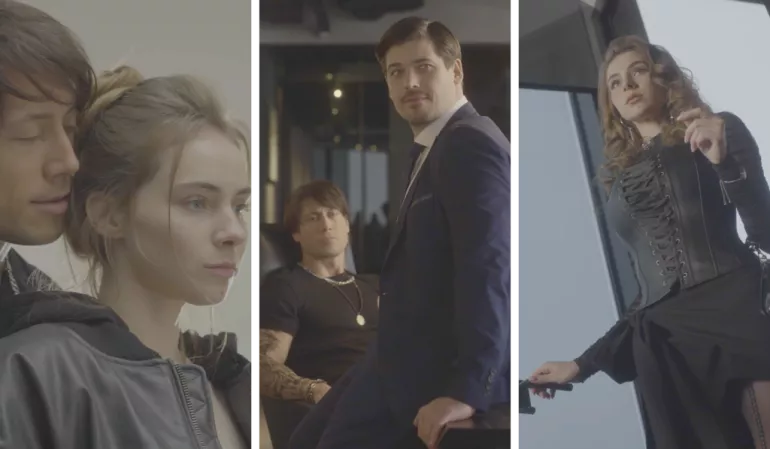
At its core, the story follows a classic "bad boy star meets normal girl" dynamic, elevated by the high-stakes world of Hollywood celebrity culture. Nina Clark, a shy, kind behind-the-scenes worker portrayed authentically by Emma Reinagel, is a fish out of water in Tinseltown’s cutthroat games. She’s vulnerable yet resolute, a heroine with clear boundaries who still struggles to navigate the humiliations and compromises of the industry—flaws that make her feel painfully real, not a one-dimensional "perfect girl" trope. Opposite her is Jack Thatch, a famous actor with a toxic reputation for partying and scandals, brought to life by Tristan Welsh. Jack is everything a romantic lead shouldn’t be: arrogant, controlling, and self-destructive, a man who masters performing emotions for the camera but pushes people away in real life. Yet the drama’s greatest strength is that it never excuses his toxicity—instead, it peels back the layers to reveal a broken, lonely man drowning in his own fame and emotional damage. Their dynamic is built on power imbalance, a choice that makes their interactions uncomfortable at times, but never uninteresting.
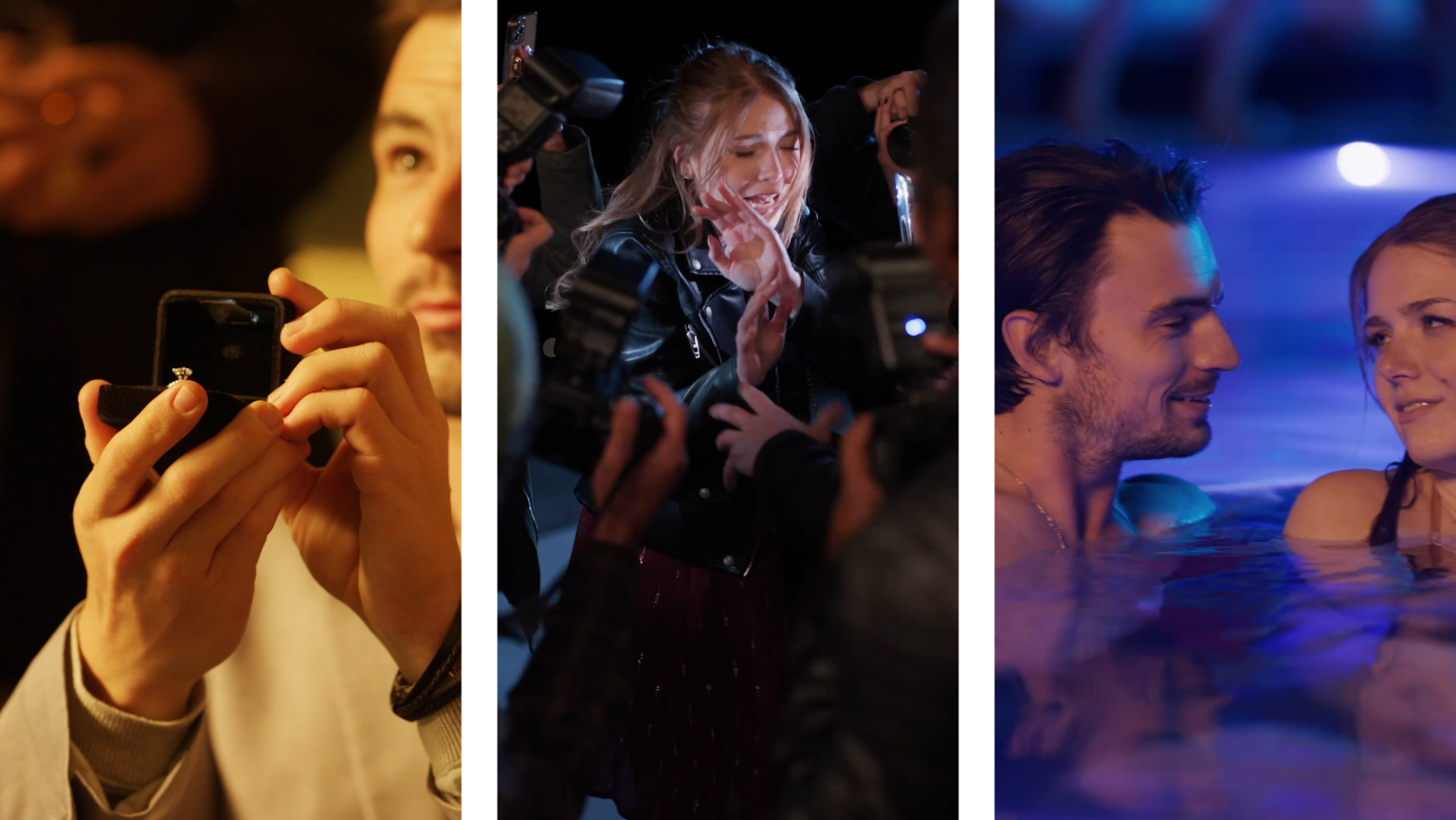
The plot’s catalyst is a public, embarrassing accident that forces Jack’s studio to stage a PR romance to salvage his image. Nina, in need of money and security, agrees to the fake relationship, and the pair moves in together—setting the stage for forced proximity, one of the drama’s most effectively used tropes. Cameras follow their every move, their fake love a performance for the paparazzi and fans, and what unfolds is a masterful depiction of how pretense can blur into genuine feeling. The fake dating never feels cheesy or contrived; instead, it’s steeped in stress and authenticity, capturing the anxiety of living a lie in the public eye and the quiet, unplanned moments where two lonely people connect despite themselves. Hollywood itself is a character here, too—portrayed as a cruel, unforgiving place that treats celebrities as products rather than people, a detail that grounds the melodrama in a believable reality and echoes the harsh truths of the entertainment industry seen in similar celebrity-focused stories.
What makes Romancing the Star so addictive is its refusal to take the easy route with its romance. This is not a story where the heroine "fixes" the broken hero with a smile or a kind word—Nina never magically heals Jack’s trauma, and Jack never suddenly becomes a better man overnight. Their enemies-to-lovers arc is a slow burn, filled with missteps, crossed lines, and frustrating choices that mirror real human relationships. The drama leans into its messy side unapologetically: Jack oversteps boundaries far too often, the power imbalance between the A-list star and the ordinary worker creates uneasy moments around consent, and Nina occasionally forgives Jack’s mistakes too quickly, leaving viewers seething with frustration. Yet these flaws are not writing errors—they’re intentional choices that make the drama feel real. This is a romance of imperfection, of two flawed people fumbling their way toward something meaningful, and it’s all the more compelling for it.
The tension between Nina and Jack is the beating heart of the show. Every glance, every forced intimate moment for the camera, every quiet conversation in the privacy of their shared home crackles with unspoken feeling, making viewers lean in to catch every nuance. The drama balances its high-drama Hollywood moments with quiet, intimate scenes that reveal the characters’ true selves—Jack’s loneliness when the cameras are off, Nina’s quiet strength as she refuses to lose herself in the fake relationship. It’s a masterclass in building romantic tension without relying on cheap clichés, and it’s what keeps viewers coming back episode after episode, even when they want to scream at Jack’s choices.
Romancing the Star is not for everyone. If you crave soft, low-conflict romance with perfect characters and happy-ever-after moments, this drama will leave you disappointed. But if you love stories that prioritize raw emotion over comfort, tension over sweetness, and flawed humanity over fairy-tale perfection, this is a must-watch. It’s a story about image versus truth, control versus vulnerability, and the messy, uncomfortable work that love requires—especially when it’s born from a lie.
In the end, Romancing the Star succeeds because it doesn’t just tell a love story—it tells a human story. It makes viewers feel every emotion: anger at Jack’s selfishness, sympathy for Nina’s struggles, hope that these two broken people might find healing in each other. It leaves you invested in their journey, waiting for the moment Jack finally earns Nina’s love—and your own. For anyone who’s ever loved a messy, complicated person, or who’s ever felt like an outsider in a world that demands perfection, this drama hits close to home. It’s chaotic, it’s frustrating, and it’s utterly unforgettable—exactly what a great drama should be.