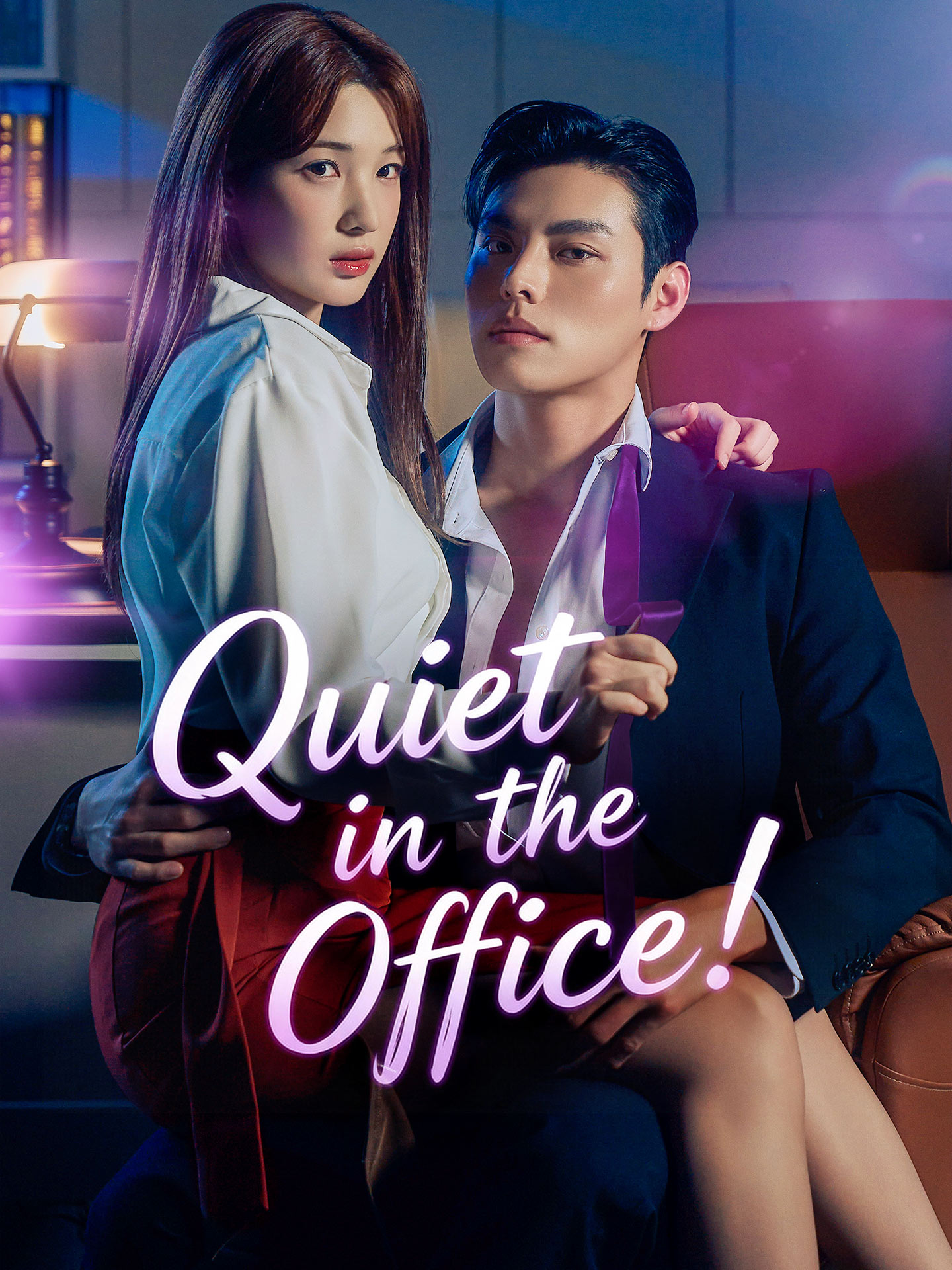
Imagine stepping into the unspoken chaos of the modern workplace, where silence isn’t just absence of sound but a powerful survival strategy—this gripping Chinese short drama captures the raw reality of office life, resonating with millions of professionals who navigate the thin line between silence and success every day. Emerging as a breakout hit on GoodShort, Quiet in the Office blends workplace realism, character growth, and subtle social commentary into a tight narrative that hooks viewers from the first scene of a hushed cubicle farm. This guide delivers a spoiler-free overview, detailed plot breakdown, cast highlights, streaming essentials, and practical tips to elevate your viewing experience, including how to find the complete cut and avoid fragmented fan uploads.
Plot Summary: A Tale of Silence and Survival
At its core, the drama follows a group of ordinary office workers in a fast-paced modern company, where the unwritten rule of "less talk, more work" isn’t just advice—it’s a lifeline. The story centers on a new recruit who quickly learns that the office’s eerie quiet hides a web of unspoken tensions, hidden agendas, and quiet resilience: from the overworked employee who never complains to the charismatic manager who speaks with intentional brevity, from the rookie who accidentally breaks the silence and faces the consequences to the veteran who has mastered the art of "speaking without words".
What sets this apart from typical workplace tropes is its unflinching focus on authentic office dynamics—no over-the-top drama, just the quiet battles of daily work life: navigating office politics without picking sides, proving your worth with actions not words, and finding connection in a space where everyone is too busy staying silent to connect. Clocking in at around 80-100 minutes (split into bite-sized 5-8 minute mini-episodes), it’s crafted for quick binge-watching on your commute or lunch break, with understated twists that build to a deeply relatable resolution about what it truly means to succeed in the corporate world.
For those wanting deeper details—spoiler alert ahead—the narrative begins with Chen Mo (the Chinese protagonist, whose name literally means "silence"), a fresh graduate who lands a job at a prestigious marketing firm, eager to speak up and make her mark. But she soon witnesses the fallout when a colleague rants about a project and loses a promotion, and a team leader’s offhand comment sparks an office feud. Left adrift, she is mentored by Lin Hao, a quiet senior employee whose minimal words hide sharp insight and unshakable professionalism. As Chen Mo learns to curb her impulsivity, choose her words wisely, and let her work speak for itself, she uncovers that the office’s silence isn’t about fear—it’s about strategic survival, and that true strength lies in knowing when to speak and when to listen. Themes of workplace identity, mutual respect, and the power of quiet competence weave through the story, culminating in Chen Mo’s hard-earned success: a promotion that comes not from grand speeches, but from consistent, high-quality work and quiet empathy for her colleagues.
Key Cast and Characters: Who Brings the Office to Life
The drama’s emotional resonance comes from its stellar cast, who turn ordinary office workers into unforgettable characters with subtle, nuanced performances—no overacting, just genuine, relatable human behavior:
- Zhang Min as Chen Mo (Female Lead): A rising star in slice-of-life short dramas, Zhang perfectly portrays the journey from a bubbly, outspoken rookie to a composed, confident professional. Her expressive eyes capture the frustration, confusion, and eventual triumph of learning workplace rules, making Chen Mo a character every young professional can see themselves in.
- Chen Yu as Lin Hao (Male Lead/Mentor): Chen delivers a masterful understated performance as the quiet senior. With minimal dialogue, he conveys wisdom, kindness, and quiet strength—his small gestures (a quick nod of approval, a silent handover of a helpful document) speak louder than any monologue. His on-screen chemistry with Zhang Min feels natural, a mentor-mentee bond built on mutual respect, not romance.
- Supporting Cast: The antagonistic characters are not cartoonish villains, but realistic office figures—a micromanaging supervisor who values obedience over creativity, a gossipy colleague who uses whispers to gain power, a burnt-out employee who has given up on speaking out. Played by talented character actors, these roles add tension without overshadowing the main cast, and even the "antagonists" have human moments that make them relatable. The compact, diverse cast ensures every character feels like someone you’ve worked with, making the office world feel vivid and real.
Why This Drama Became a Workplace Favorite
2026’s short-form content landscape is flooded with over-the-top dramas, but Quiet in the Office stands out for its unfiltered realism—it taps into the universal experience of every professional who has ever bit their tongue at work, held back a complaint, or let their work do the talking. Released at a time when young people are rethinking workplace culture and seeking stories that reflect their daily struggles, it struck a chord with audiences across age groups, from fresh graduates to seasoned professionals.
Platforms like TikTok, Xiaohongshu, and GoodShort itself amplified clips of the drama’s most relatable moments: Chen Mo’s first awkward mistake of speaking out too soon, Lin Hao’s quiet advice, the office’s collective silence during a tense meeting. These clips garnered millions of views, with fans sharing their own "quiet office" stories in the comments—creating a viral conversation about workplace survival. What makes it unique is its rejection of workplace drama clichés (no over-the-top romances, no unrealistic corporate takeovers); instead, it celebrates the quiet wins of daily work life, a theme that resonates in Asia, North America, and beyond, where office culture is a universal experience. User-generated content—fan edits of the most relatable scenes, reaction videos from professionals, and even "office survival guides" inspired by the drama—boosted its visibility, turning it from a small GoodShort hit into a global workplace phenomenon.
Where to Watch: Legal Streaming Options and Tips
Quiet in the Office is exclusive to GoodShort for its core release, and finding the complete, high-quality version is key to enjoying the subtle storytelling (no missing scenes, no poor audio). Avoid pirated sites to support the creators and ensure you get the full narrative—here’s your go-to guide for legal streaming:
- GoodShort App (Primary Platform): The only place to watch the complete, uncut version with original Chinese audio and optional English/Chinese subtitles. Free to watch with short, non-intrusive ads; premium membership (around $3.99/month) for ad-free viewing and early access to any bonus clips. Search directly for the title—episodes are released in a single playlist for easy binge-watching.
- TikTok/Instagram Reels: Official GoodShort accounts post short, spoiler-free clips and character highlights—perfect for previews or reliving your favorite moments, but full episodes are not available here (stick to GoodShort for the complete story).
- YouTube: A small number of verified Asian drama channels offer dubbed English versions of the full drama, but check for the "GoodShort Official" label to avoid incomplete, fan-uploaded cuts. Runtime for the full feature-length cut is around 90 minutes.
Pro Tips for Streaming
- If subtitles are missing or lag on YouTube, use the auto-translate feature for real-time Chinese-to-English translation—it works surprisingly well for the drama’s simple, realistic dialogue.
- For non-Chinese speakers, the dubbed English version preserves the drama’s subtle tone (no over-the-top voice acting), making it easy to follow.
- On GoodShort, enable the "continuous play" feature to binge the mini-episodes without interruptions—ideal for a quick lunch break watch.
| Platform | Availability | Cost | Best For |
|---|---|---|---|
| GoodShort | Full uncut series | Free/Premium | Core viewing, complete narrative |
| YouTube | Dubbed full cut (verified only) | Free | English-speaking viewers |
| TikTok | Clips & highlights | Free | Quick previews & fan content |
Practical Watching Guide: Maximize Your Experience
This drama’s subtlety and realism mean it’s best enjoyed with a little intentionality—here’s how to make the most of your viewing:
- Episode Breakdown: 12-15 mini-episodes (5-8 minutes each), designed to be watched in order—skip ahead and you’ll miss the slow, natural growth of Chen Mo and the office dynamics. Watch 2-3 episodes at a time for the best narrative flow.
- Watch in a Relatable Space: Enjoy it on your commute, during a lunch break, or after work—this drama hits different when you’re in a "work mindset", making the office moments even more relatable.
- Avoid Distractions: The drama’s power is in its quiet moments (a silent glance, a pause before speaking), so watch with minimal distractions to catch the subtle acting and unspoken tension.
- Pair with Similar Workplace Shorts: For a themed marathon, pair it with other slice-of-life workplace shorts like Office Survival Guide and The Quiet Colleague—all available on GoodShort.
- Common Pitfalls to Avoid: Skip fan-uploaded cuts on unregulated sites—they often cut key quiet moments that make the story meaningful. If ads on the free GoodShort version annoy you, the premium membership is a low-cost fix for uninterrupted viewing.
Enhance the Experience
Discuss the drama with your colleagues or friends—its relatable workplace themes make it perfect for group chats: Did you ever have a "Chen Mo moment" where you spoke out too soon? Do you have a Lin Hao-like mentor at work? What’s your own "quiet office survival rule"? Turning the viewing into a conversation makes the drama’s lessons even more memorable, and lets you apply its insights to your own work life.
Your Questions Answered: Insights on the Drama
What makes the ending so satisfying?
It avoids unrealistic "happy endings" (no sudden career stardom, no dramatic office shakeup). Instead, the ending is a quiet, earned win: Chen Mo is promoted, she’s mastered the art of workplace silence and strategic speaking, and she’s built genuine, quiet connections with her colleagues. It’s a realistic ending that reflects real life—success in the office is often about small, consistent steps, not grand gestures.
Is it based on a true story or novel?
No confirmed true story or novel source, but the drama is inspired by real workplace experiences and social media conversations about "office silence" and workplace survival. The writers interviewed dozens of professionals to craft the authentic dialogue and dynamics, making every scene feel like a moment you’ve lived or witnessed.
How family-friendly is it?
Completely family-friendly—no mature themes, no strong language, just realistic workplace interactions. Suitable for teens (who are preparing for the workforce) and up, and even makes a great watch for young people learning about office culture for the first time.
Suitable for non-drama fans or people outside the corporate world?
Absolutely. While it’s a workplace drama, its core themes—learning to listen, choosing your words wisely, and letting your actions speak for you—are universal. Even if you don’t work in an office, you’ll relate to the struggle of navigating social rules and proving your worth, making it an easy entry point for non-drama fans.
Finding Strength in Quiet Competence
As the credits roll on Quiet in the Office, it leaves a clear, powerful message: silence isn’t weakness, and success doesn’t always require grand speeches. In a world that often values loudness and extroversion, this drama celebrates the quiet professionals—the ones who show up, work hard, and know when to speak. Whether you’re a fresh graduate nervous about your first office job, a seasoned professional tired of workplace drama, or just someone who values quiet competence, this drama offers a refreshing take on success: it’s not about being the loudest in the room, but about being the most consistent.
Revisit it when you need a reminder of the power of quiet work, or when you’re feeling frustrated with office politics—its calm, realistic tone is a soothing antidote to the chaos of modern work life. And explore more slice-of-life shorts on GoodShort to build a playlist of relatable, inspiring stories that reflect the quiet wins of everyday life.